
Net Metering Guide: What It Actually Means for Your Solar Bill in 2026
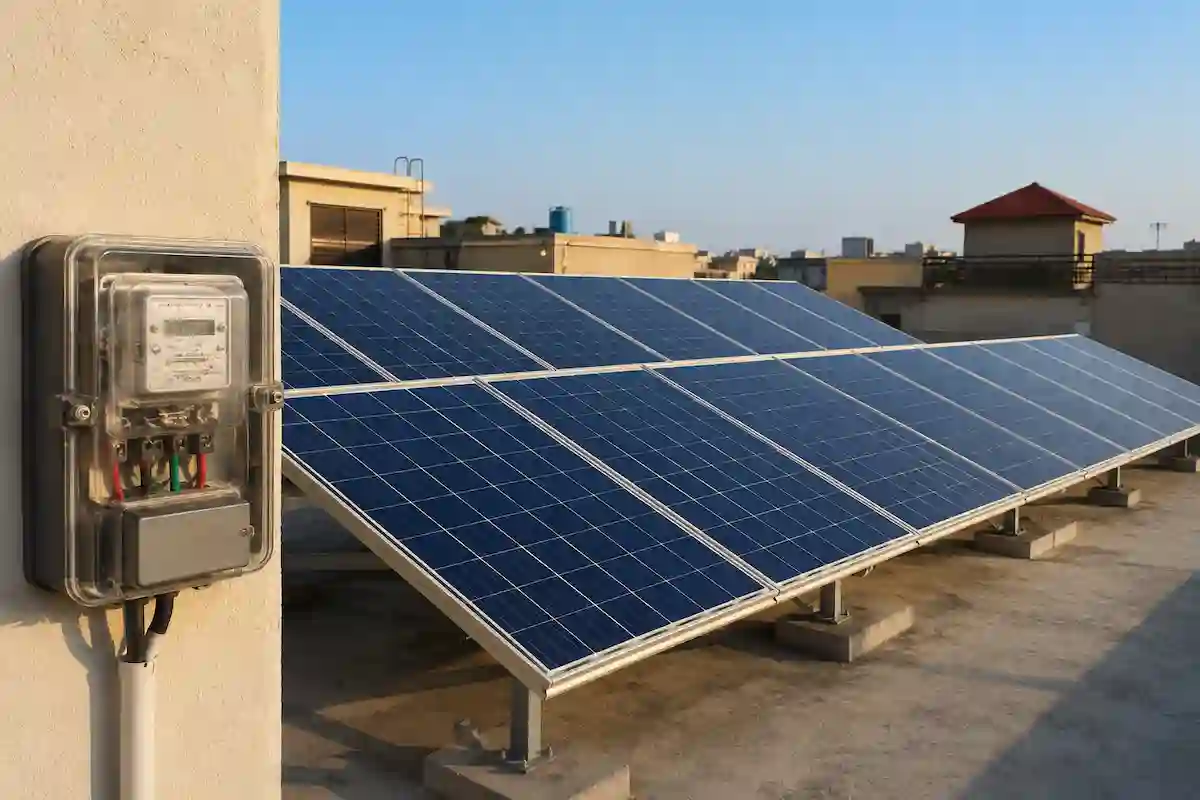
In Lahore, my cousin installed a 7kW solar system on the DHA rooftop in 2023. The truth was that his LESCO bill remained a formality for over two years. There were times when the bill would just say zero, and once it was even a mini credit, he told us, and called it “free electricity.” Then came February 2026 and all of a sudden, everyone in his solar WhatsApp group started raising the same question with a panicky tone, like “Has net metering gone out?”
Very Brief Answer: No, it has been modified, and it works slightly differently. This post is the only net metering guide that explains the ins and outs of solar for your home in Karachi, Faisalabad, or Islamabad without the need to refer to the NEPRA documents if you are unsure about your green meter connection’s safety.
What Actually is Net Metering?
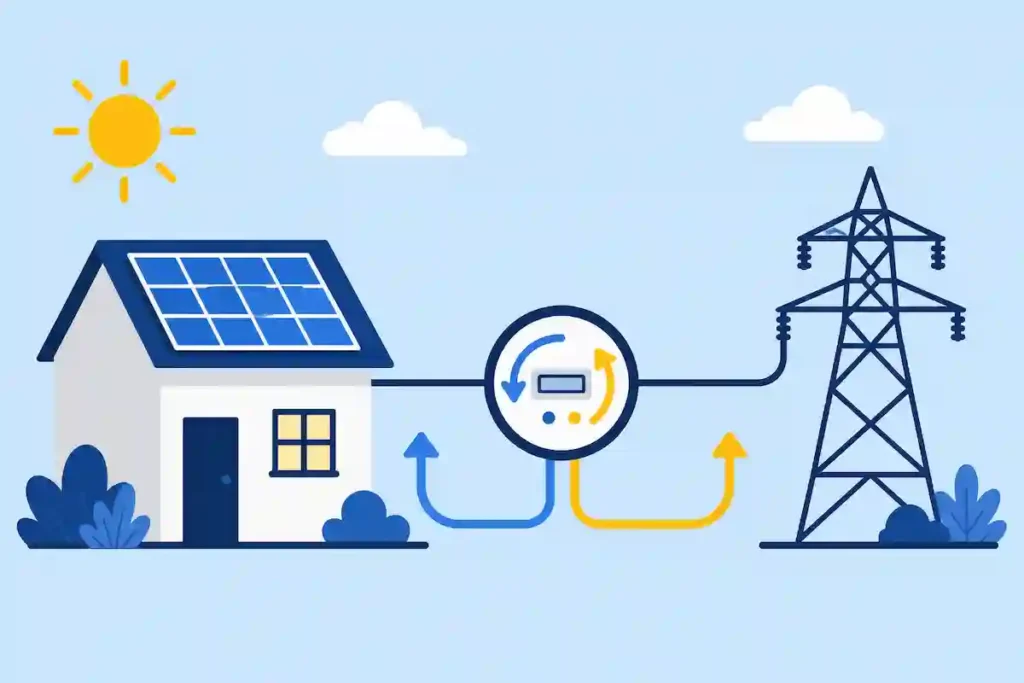
Net metering is the system through which solar panels can interact with the grid rather than getting stuck on your rooftop. A bi-directional meter or a so-called “green meter” tracks two flows.
First, one that measures the amount of electricity you take from either WAPDA or your local DISCO (LESCO, IESCO, MEPCO, K-Electric, whoever supplies electricity to your area).
Secondly, the ones that are produced by the solar panels and that are fed back into the grid when you are generating a surplus of electricity. The original idea of this system, as was introduced by NEPRA way back in 2015, was that the exchange would be 1:1.
That means, export 100 units while away working in the day and the house is silent, and Import 100 units to get rid of, say, fridge usage and running fans at night with the grid, and your net usage will be zero. This was known as a “battery at the grid” model for rooftop solar that had exploded into the market of Pakistan, leading the country from almost zero level to 6,000 megawatts level of rooftop capacity in a span of one decade.
BREAKUP FEBRUARY 2026 – NET BILLED INSTEAD OF NET METERED
Now the fun comes, and the Facebook groups and WhatsApp installer updates are full of wrong or partially wrong information.
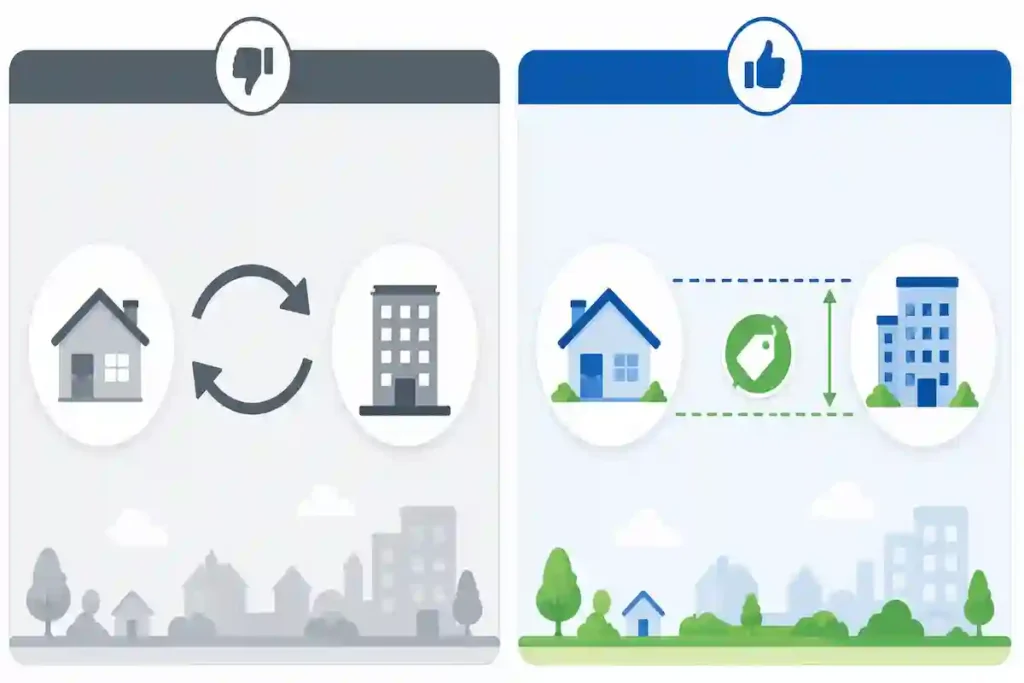
On February 9, 2026, NEPRA issued the New Prosumer Regulations 2026, which scrapped the existing 2015 setup completely, and it was replaced with a new concept called net billing. On paper, it appears as though the change is minor, but in reality it totally changes the solar financial structure.
With net billing, your meter measures not only your solar production but also your energy consumption. What this means is that the DISCO does not reimburse you for your excess solar power at 1:1 anymore. Instead:
- DISCO will now buy surplus solar power from Prosumers (residential consumers and small commercial consumers that use PV systems for self-consumption as well as feeding power to the grid) at the National Average Energy Purchase Price, which stands at approximately Rs 8-12 for new applicants (previously, the solar buyback rate was about Rs. 25 – 26).
- Whatever amount of electricity you take out from the grid (import), you will pay at full retail tariff (say, between Rs.37 and beyond Rs.60 per unit given city and slab).
- For new connections, the period of the contract has been reduced to five years. Previously, it was seven years.
So, the whole idea boils down to this difference. When you exported the unit, you earned about Rs 11, while you have had to pay about Rs 55 on the imported unit. It is roughly a five-to-one mismatch.
This change was not welcomed by many, and a lot of the former solar users – 466,102 in total – lodged complaints with NEPRA’s citizen portal. The news that the Prime Minister Shehbaz Sharif himself intervened was reported by local journalists and the media. To please the critics, NEPRA had rolled out an amendment on February 16, 2026, and all the prosumers with net metering agreement (date-wise it is before February 9, 2026) will be exempted from net billing, so their agreements are still valid as they were before (1:1 rate, and buyback rates at the time of signing) until the end of the contractual period. No abrupt modifications in the bill will be noticed by you. Also, 5,165 applications covering roughly 251 MW that were submitted before February 8 had also become subject to a previous policy revision, which is the current policy.
Though you may be a prosumer, you may lose all your grandfathered benefits in one single scenario, i.e., when you increase the sanctioned load of your system (say, from 5kW to 10kW). So, it is strongly advised to discuss with your installer any changes that you intend to make in an already existing setup. After being classified as “new”, your whole account will be handled as such.
Is going solar still a good idea?
To answer truthfully, the way of getting returns on money spent would only be changed, not eliminated. Exporting power used to be almost as good as using it yourself with a system where you received your payment for exporting power, but now it’s different under a bill with a net contribution scheme, and you’re charged for the exported unit. Self-use is the top priority.
To simplify the concept, using an electricity unit produced in direct sunlight at home. For example, it will give you the benefit of avoiding a purchase at the retail rate, which could be as high as Rs 55. Whereas if you export that unit, you only get about Rs 11. That’s not a negligible difference; it defines a smart energy plan vs. an expensive error.
The installation of an extra solar system size was the trend for most customers in Lahore and Rawalpindi, and the advice from those who install your system shifted dramatically overnight:
- Suggest that your solar system should only produce power your household needs during the day. So a system capable of generating the power only used for the ACs, water pump, and washing machine in an hour of sunshine is more desirable than a big system of 10 kW exporting surplus power worth only a few paise per unit through the grid.
- Use heavy appliances during solar energy. That means if your geysers and washing machines and other heavy energy-consuming equipment are to be started, instead of waiting till evening when you are not receiving solar power, do it at noon when you can utilize solar energy.
- Investment in a rechargeable home appliance battery has also been seen as a necessity and not a luxury. Before, storing surplus solar energy to be used overnight against paying high tariff for a regular electricity provider might not have been worthwhile, but now, that storing and using solar power generated in the daytime against a tariff of Rs 55 while you export the same at Rs 11 is actually a feasible solution.
Don’t know what your solar system size should be under the current regulatory setup if you decide to install the panels? Just don’t assume, use our free solar load calculator to get an idea on what system size would be appropriate for you based on your average daylight usage instead of you simply relying on your monthly bill which happens to be precisely the kind of scenario that is rewarding for net billing. On top of that, if you happen to be looking at different panel brands before making your choice, have a look at our analysis of Longi solar panel prices in Pakistan which will help you get a better picture of the local market rates so that you can then consult with an engineer.
How to Actually Apply (if you’re just getting started)
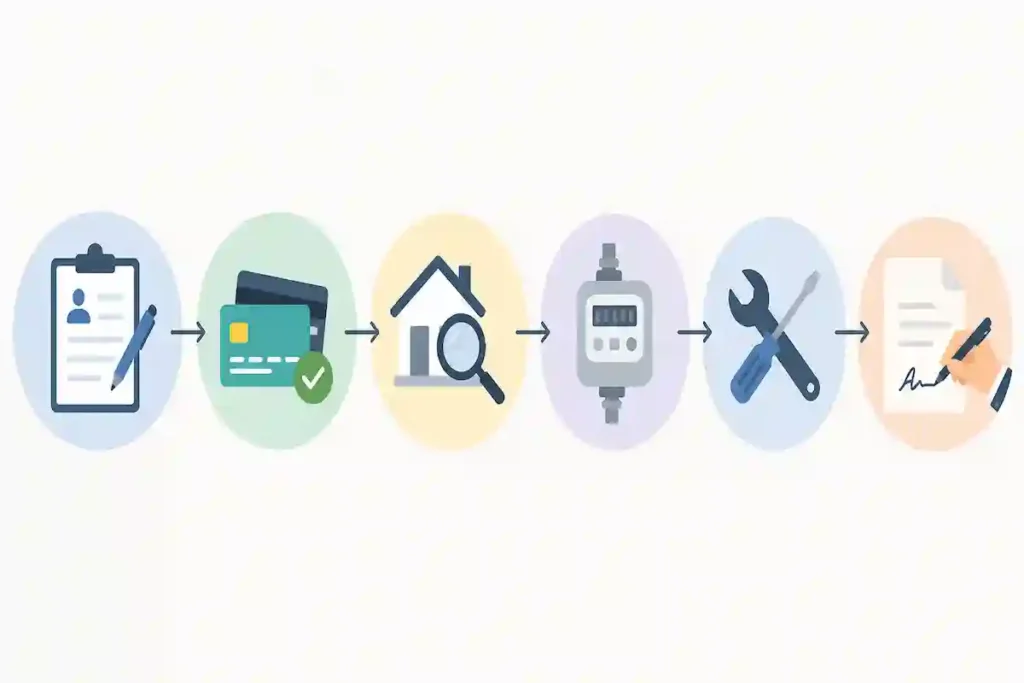
Really, the steps to go through haven’t really been altered in content, only in the last few numbers:
- Hire a registered installer under NEPRA to design your solar system and create the one-page schematic diagram.
- Fill the online application with the help of DISCO by uploading CNIC, the electricity bill, and specifications of your system.
- Settle payment of your demand notice, since in 2026 in April, NEPRA has introduced a licensing fee of Rs 1,000 per kW, so a 10kW installation will require an extra amount of Rs 10,000 just for the license.
- Let your inspector verify your system and issue the certificate of compliance, indicating that your installation is safe and grid-integrated correctly.
- The DISCO will put in the bi-directional meter; expect to spend approximately Rs 18,000 to Rs 28,000 on this, and be advised that the meter fee comes entirely out of your pocket. There won’t be anything from LESCO or MEPCO.
- Approve signing by agreeing to the terms and conditions of the agreement of supplying power, which, at the same time, binds you and gives a rate of buyback for several years to come. Note that signing the document will only be valid from a detailed reading and understanding that this document governs your buyback rate for the next five years.
Anticipate a duration from 10 odd days to 2 months, as it also depends on how backed up your DISCO has become and how ready your documents are.
Common Mistakes People are Making Right Now
Recently, I have observed several trends people should steer clear of. Some individuals are blindly trying to catch the last moment to “avoid the deadline” and are opting for overly large systems that were conceived with the obsolete export math in mind without even considering what their real buyback rates will be. This because they already have been informed of their dropping rates.
If you still haven’t decided and are thinking through what to choose, have a look at our selections of solar panels and solar inverters to see for yourself what it would really cost you to put up a solar system today. Determining your own consumption first through this method is more reliable.
The others who keep on imagining their current setup is safeguard automatically and don’t even compare their contract date with February 9 2026 are equally vulnerable. Meanwhile, those who increase their old system’s capacity thinking it has nothing to do with the rate but not asking themselves if the size might push them out of the grandfathered rate.
To sum up, I would like to point out, solar in Pakistan still has a place – load shedding and ever rising grid tariffs are a major issue that panels will solve for those who have already made use of them. But, the previous “the more you install, the better” strategy is no longer valid as the grid was not supposed to take up the difference anyway.
Sometimes the laws of the land are subject to public input too, so be sure you have the version in your favorite language, if not the original one, by visiting the NEPRA website rather than the summaries by people or the news media.
FAQs
Is net metering still available in Pakistan in 2026?
Only those who have not yet started the process and the rest are free to go. With effect from February 9 2026 NEPRA has changed net metering regulation to net billing. Existing consumers who have contracts ending prior February 9 2026 will remain at the rates as before until their contracts expire.
What is the current NEPRA solar buyback rate?
Potentially, for newly installed systems, it may be about Rs 8-11 per unit under the net billing program. Grandfathered consumers under the old net metering policy receive nearly about Rs 25-26 per unit until their contract is up.
How long does a net metering or net billing contract last?
The term for new connections under 2026 regulations is five years compared to the prior seven-year term.
Will my existing net metering agreement be cancelled?
Not at all – NEPRA’s amendment is your safeguard against any interference in your existing rate and 1:1 terms if your agreement was valid up to February 9, 2026, and your contract will naturally expire then.
Does upgrading my system affect my old rate?
It does depend. Upgrading your sanctioned energy capacity to a higher value will put your existing connection in jeopardy by possibly reclassifying it as a ‘new connection’ and then, As a result, you will only be able to receive net billing rates, which are much lower than net metering ones. First, ask your solar panel installer for help in making sure.
Is it still worth installing solar under net billing?
Absolutely, as long as the installed system is matching your domestic usage during the day rather than maximizing the output. Your self-consumption is saving you a much higher amount per unit today than by exporting the surplus energy.